Posts

Showing posts with the label International History

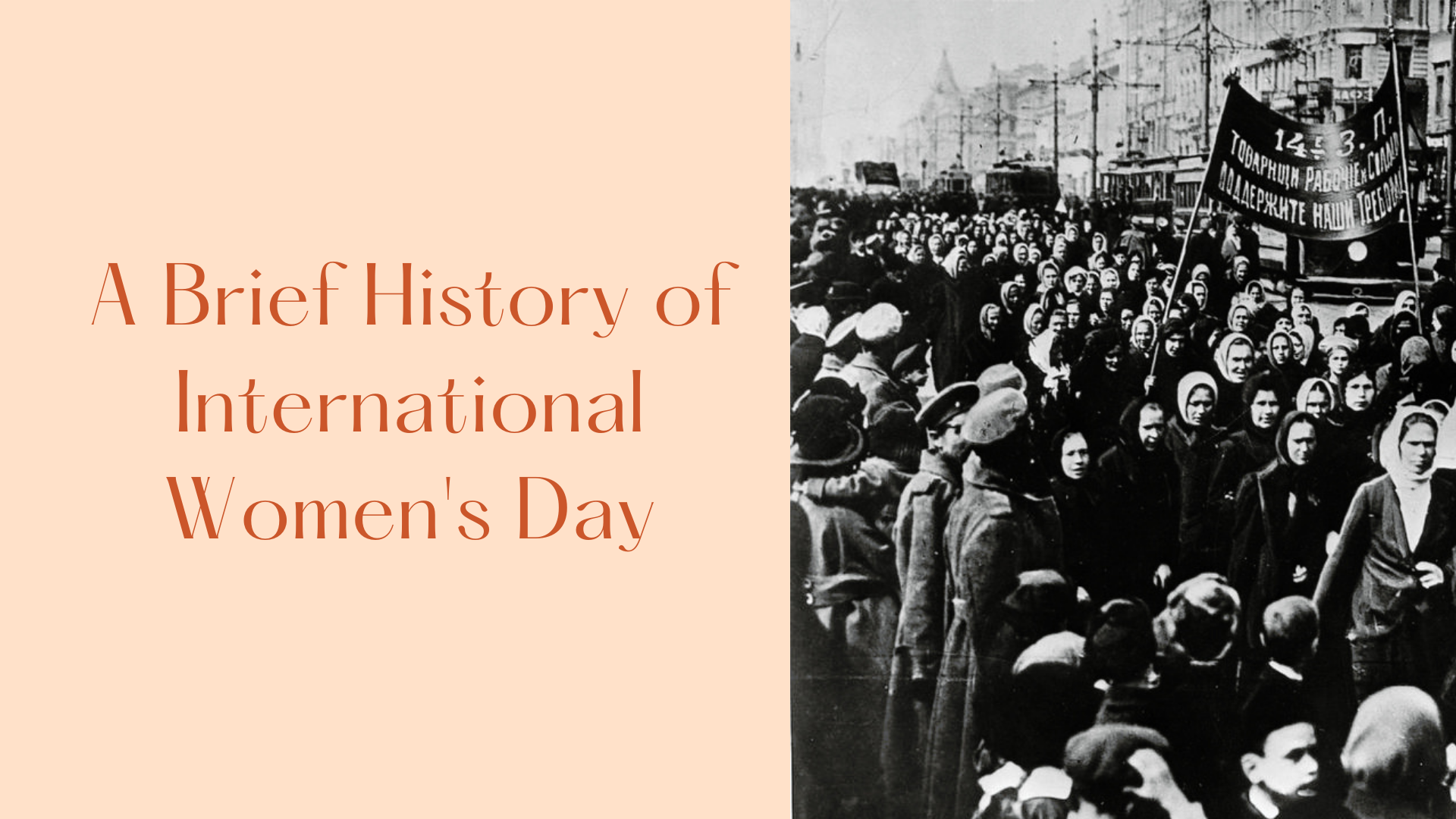
A Brief History of International Women's Day
Image
  March 8 marks International Women's Day-  a global day celebrating the social, economic, cultural and political achievements of women. But how did it come about and when did we start to celebrate it?  The marking of International Women's Day dates back to the early 1900s, a time where radical ideas including women's rights grew in popularity. Around this time, strikes and marches for women's rights became an increasingly common occurrence particularly in Britain and America.   Clara Zetkin (left) & Rosa Luxemburg on their way  to the SPD Congress. Magdeburg, 1910 In 1909, the Socialist Party of America declared 28 February  National Women's Day and this was celebrated across the United States. This day was celebrated annually on the last Sunday of February until around 1913. A year later, Clara Zetkin, the leader of the Women's section of the Sozialdemokratische Partei Deutchschlands proposed the idea of an International Women's Day at the C...

Lindis Pass Hotel - A Historic Campsite

Image
Located on State Highway 8 in Central Otago, Lindis Pass stands at an altitude of 971m. Prior to English settlement, the Maori named the main route through Lindis Pass to the Clutha River "Okahu". Evidence shows that Maori were familiar with this area and often camped by Omako, now commonly known as Lindis River. In 1857 a man named John Turbull Thomson crossed the area and gave it its name. He named it after Lindisfarne island in North East England which was his home. During his travels, he noticed that there was gold in the area but not in substantial quantaties. It wasn't until 1861 when Samuel Mcintyre found a substantial amount in Lindis Pass that actually had payable quantaties. The Lindis River saw the small scale gold rush in the Otago area. Mcintyre had previously worked in gold fields in California and could therefore indentify the similarities between the two regions, noticing the area's  potential for goldmining that others had not. By April that year ...

British Nuclear Weapons: Part 1 Development

Image
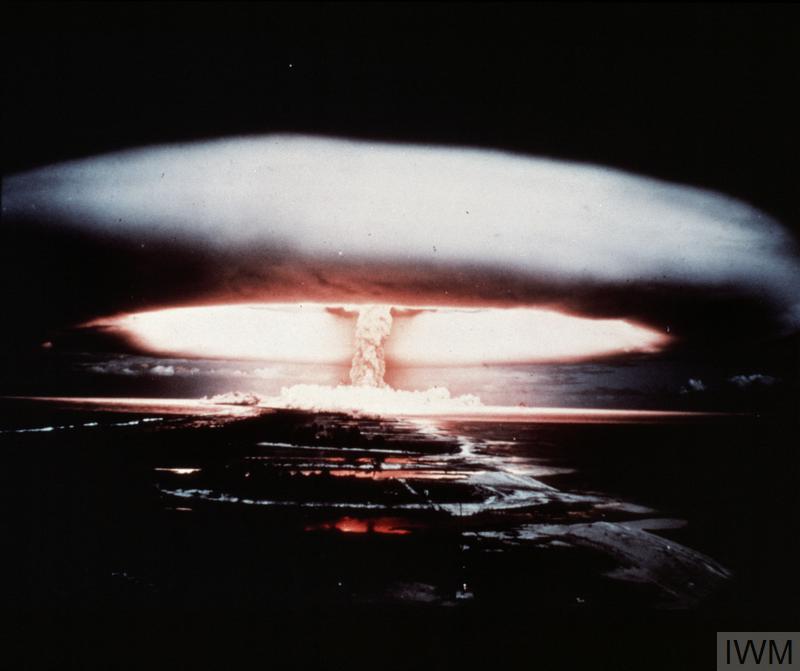
British Nuclear Tests in 1950s © IWM (TR 65682B) When we think about nuclear weapons we tend to think immediately of the USA and Russia, the two major players during the Cold War. As a result, Britain's own nuclear programme is often overlooked. In this three part series, we are going to take a look at the development of British nuclear weapons from the creation of British nuclear bombs and the V-Bomber Force to Polaris and Chevaline and lastly to the current Trident system. The Early Days  Britain was one of the first countries to look into the developments of atomic energy. In 1917, British physicist, Ernest Rutherford was the first person to split the atom which ignited curiosity of what this could lead to.  By 1939, the discovery of nuclear fission introduced the concept of nuclear energy and also nuclear weapons.  Photograph of Churchill, Truman and Stalin at the Yalta Conference, 1945. (The National Archives Catalogue ref: CO 1069/892) Second Wo...